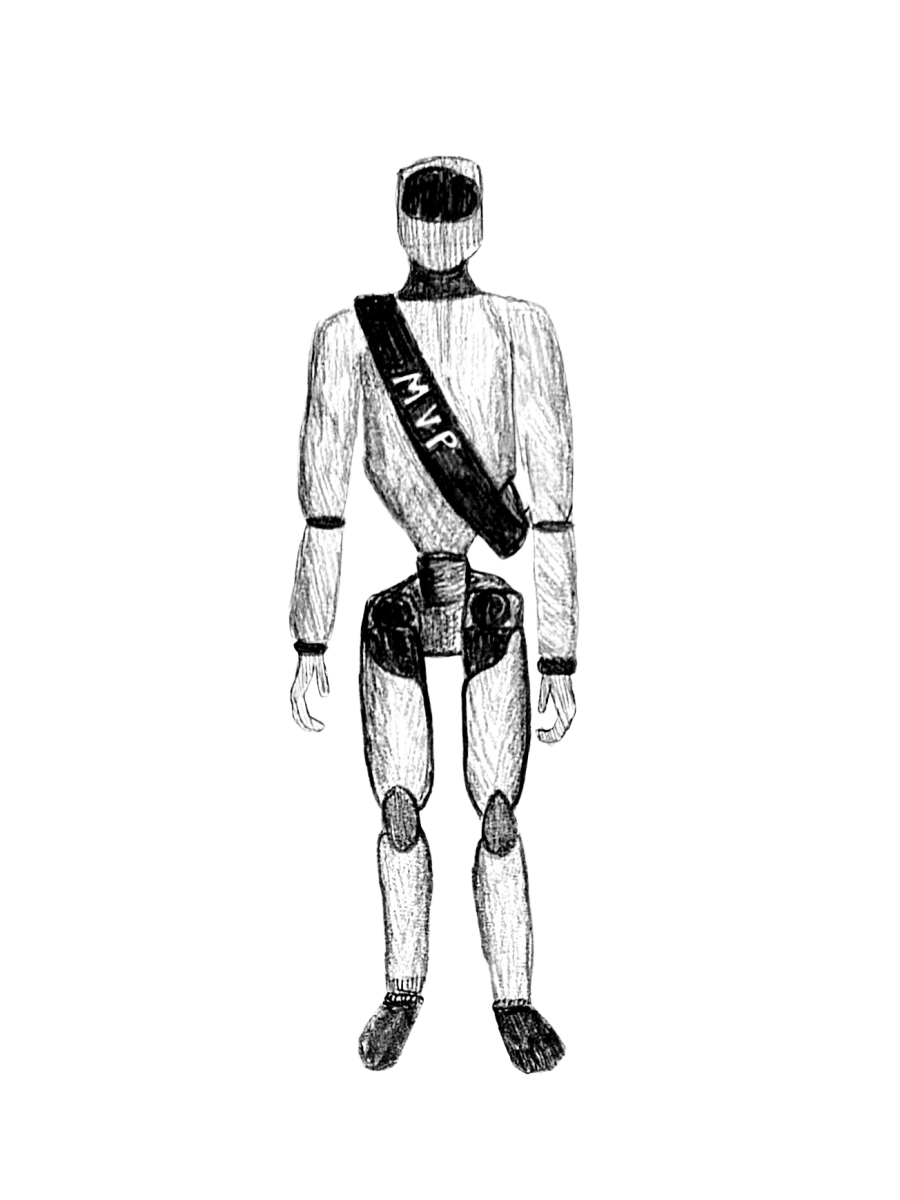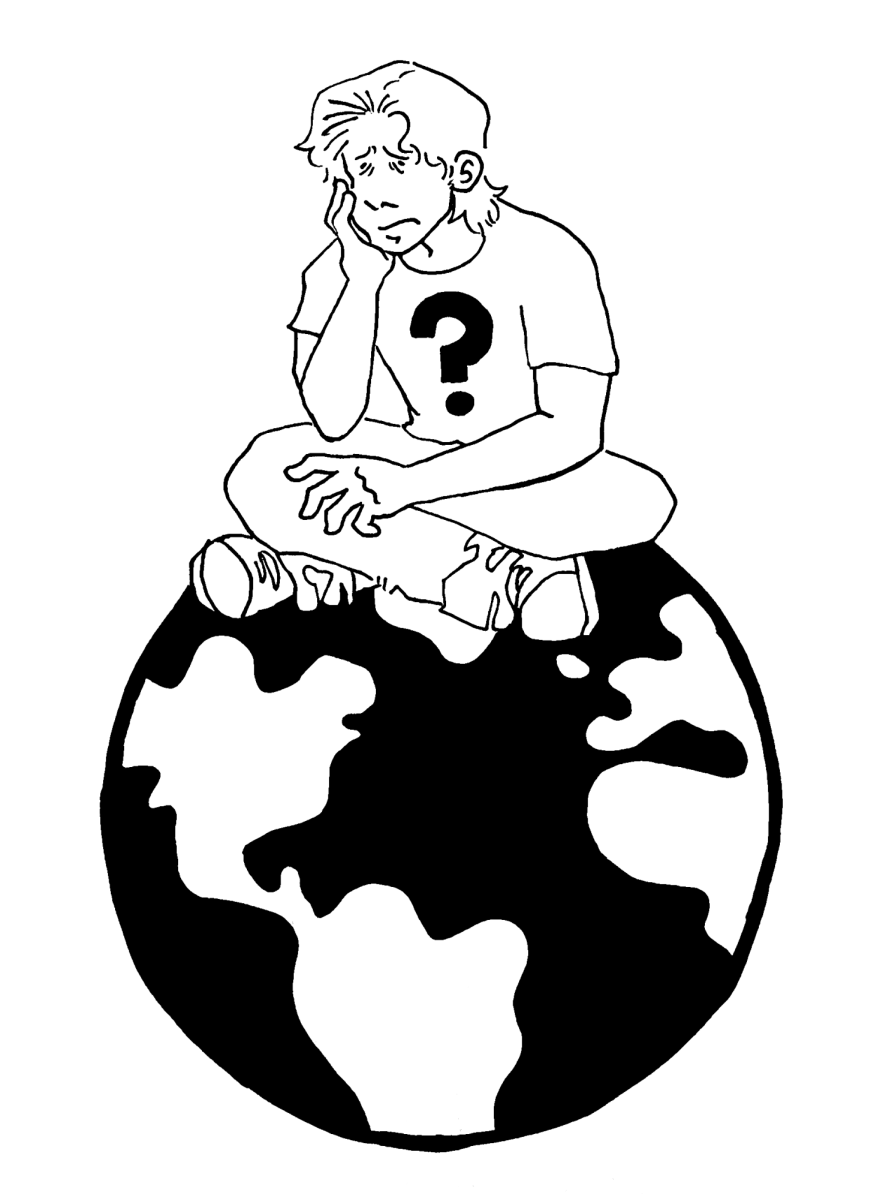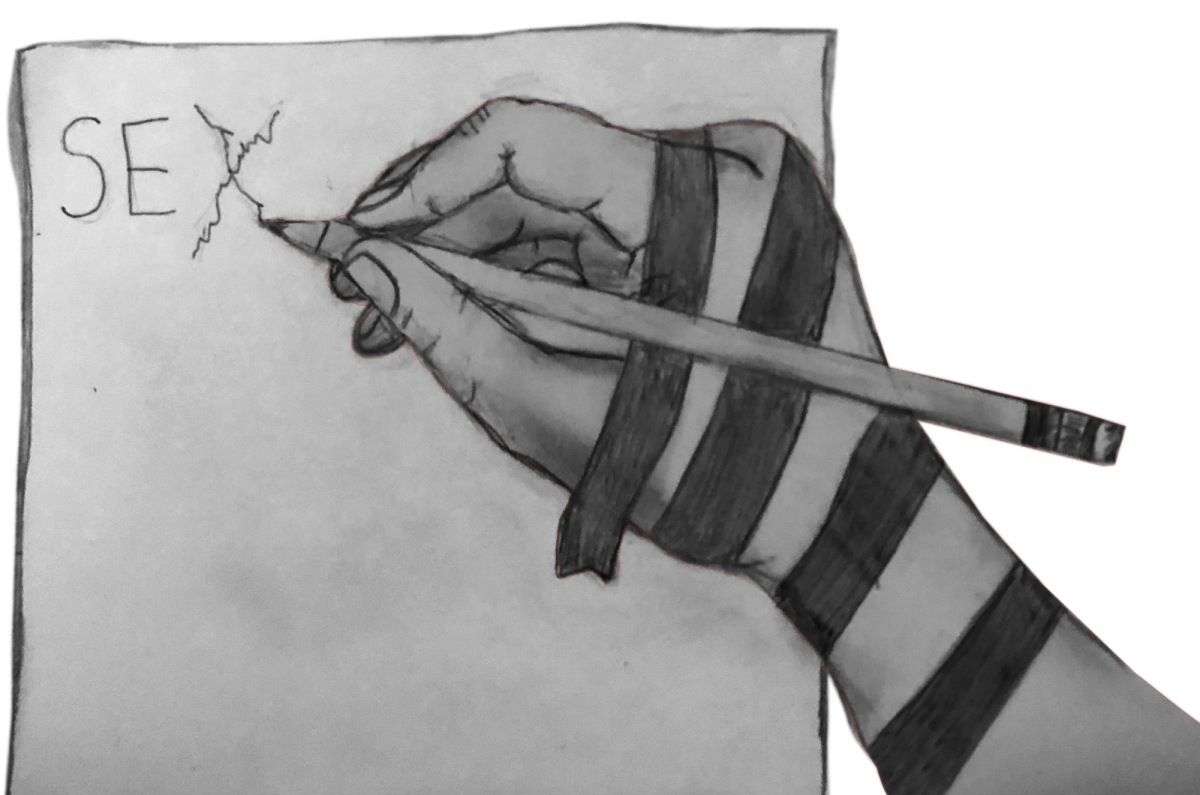


It feels as though every single day we are walking around school with little, invisible pins emblazoned upon us, reading: VOTE FOR ME! Each one of us, whether we know it or not, have become politicians in our own right; not because we are the generation enacting historic change, but because we are the generation who have become so aware of how we are perceived, whether or not people will vote for us.
There are two schools we go to: the physical building on 15th street and the online plane. In both of those spheres, we have utilized our physical, social and online image to the point of dizziness, as it has become evident that the way we conduct ourselves is with the diplomatic poignancy of celebrities, not high schoolers.
Every conversation we have is political, dancing around topics and gossip because we are aware of anything and everything we say, message or text can be shared via screenshots or hearsay to almost anyone, as we are all increasingly connected through class, social media and the collective internet.
High school is less of a hive mind than it is a massive web, where information is shared with a quickness that feels startling: how many times do we tell someone something before they respond that someone had already told them that?
There’s a specific quote that is hard not to think about in this age of social media. On the Las Culturistas podcast, comedian Tina Fey commented that, “Authenticity is dangerous and expensive.” And she would be right. Authenticity has become so normalized, with secrets now taboo and personal information seen as a right to be known and not a privilege, that the cost of this authenticity is viralism.
Our truths, our honest or half-honest truths, can, and oftentimes will, be shared from person to person, friend group to friend group, until everyone knows everyone’s business. A tale as old as time that has now shaped our personas.
With the knowledge that our authenticity is dangerous and expensive, we now have become increasingly careful about who we talk to and the subject of said conversation. Are we comfortable telling what’s-his-face that piece of gossip if there’s the chance that he’ll tell so-and-so and who’ll then tell their seatmate in second period and then everyone knows everything?
No, because we are not only unwilling to have our authenticity exploited, but we have also been able to master and manipulate our authenticity through social media. Because of apps like Instagram or TikTok, we can now see what type of media people consume, what they find funny or inspirational, which celebrities they follow and even who they’re friends with.
At the end of the day, it’s really all just PR. We now run our own public relations as if there is some semblance of celebrity prescribed to ourselves and because of this, school has become flooded with pseudo-celebrities where the ones who act the wildest, have the craziest lives in both in person or online, deserve tabloids.
There are some who can traverse high school unguarded, without the political aptitude of a diplomat or a pop star, but those are the lucky ones, as it’s obvious that most of us are desperate for the votes.