
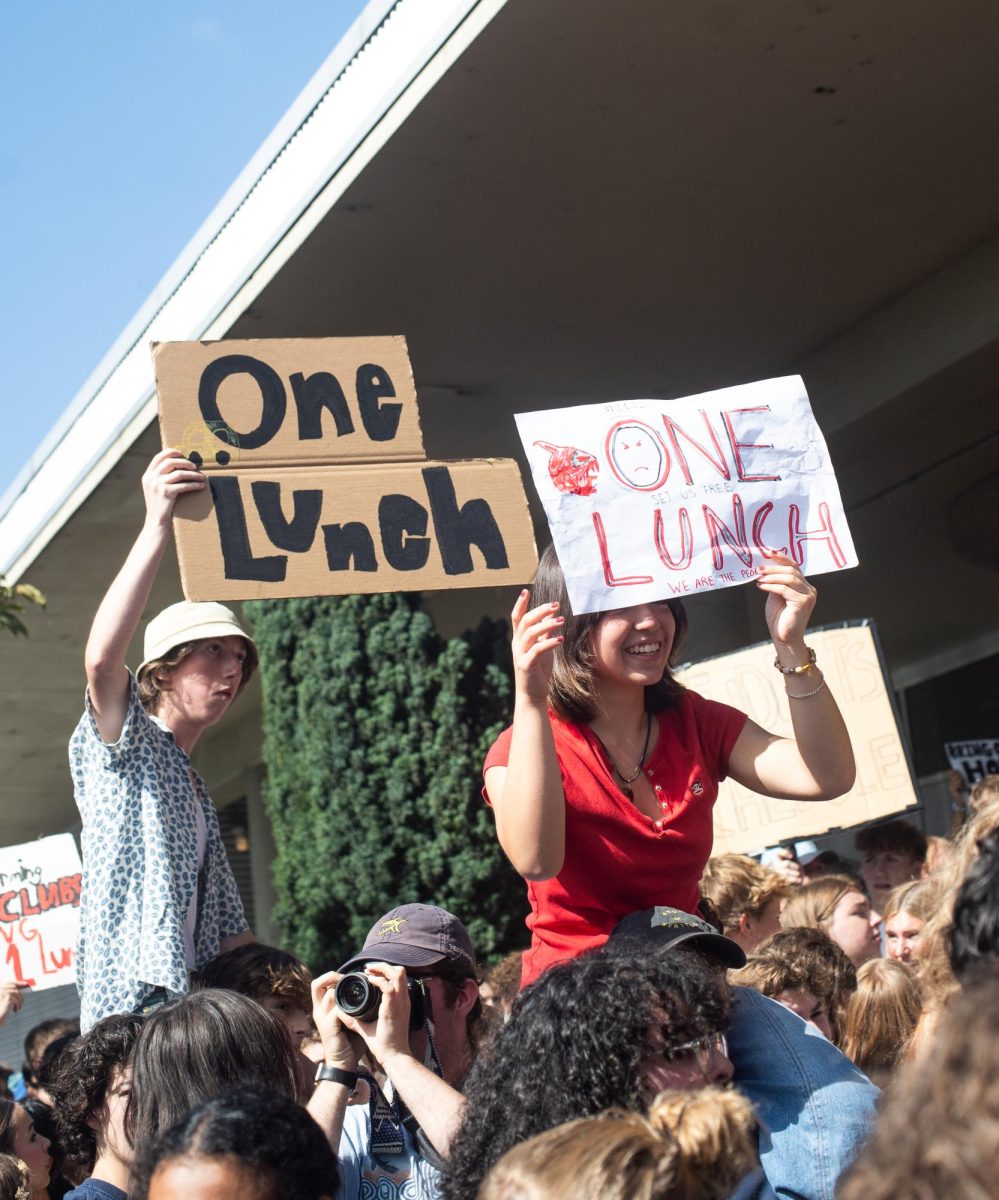
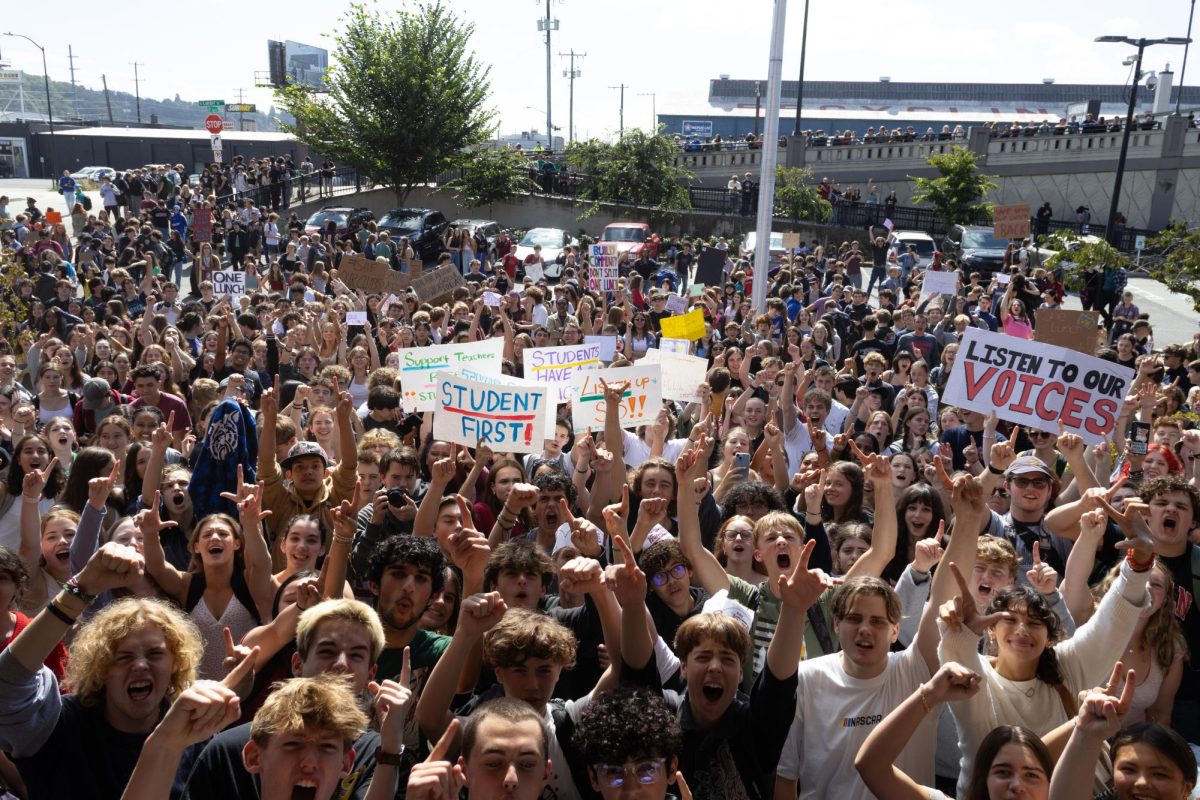

The second major wave of the No Kings protest filled Seattle Center with more than 90,000 people on Oct. 18 in response to demonstrators’ concerns about authoritarianism and threats to democracy under the Trump administration.
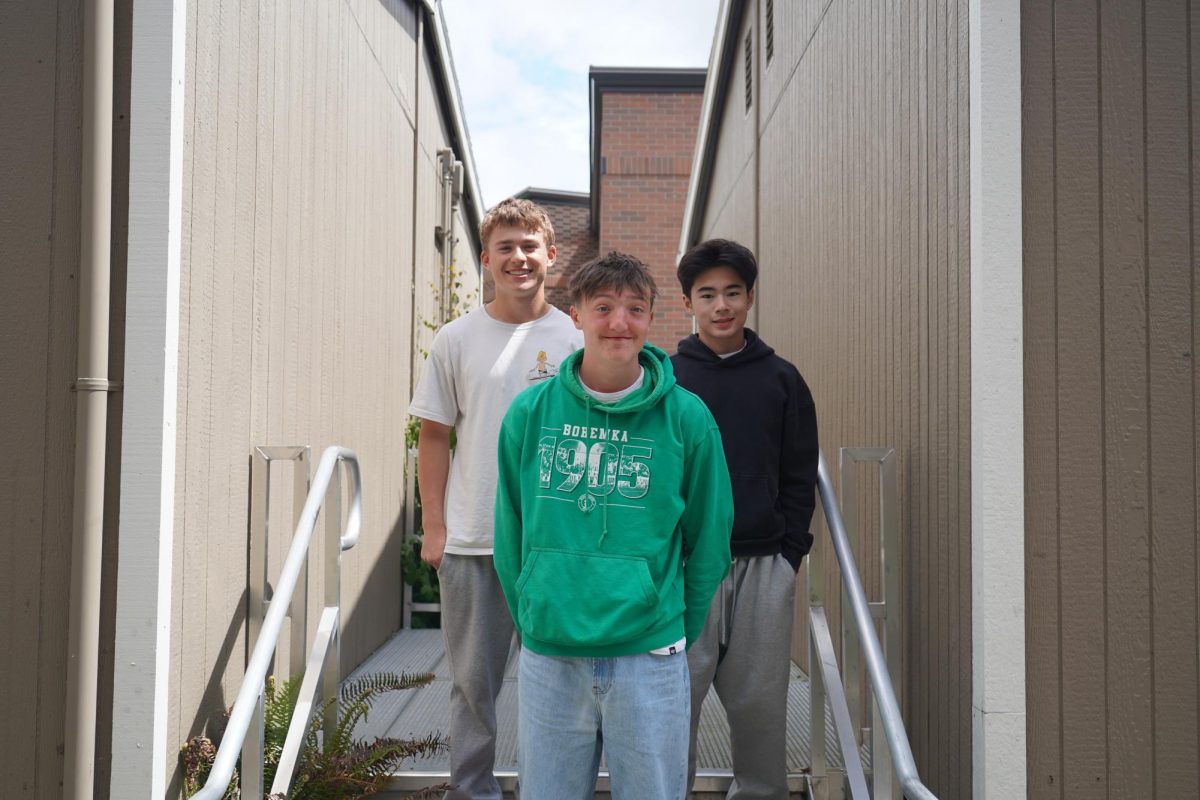
“I went down to Seattle Center and there were thousands and thousands of people. You just couldn’t see the end of the crowd,” senior Lucas Talbot said. “It’s such a great way to protest Trump’s fascist regime and overstepping of the government, especially with ICE.”
Organized by Seattle Indivisible, the American Civil Liberties Union (ACLU) of Washington, and other local activist groups, the nationwide movement consisted of speeches, marches, and performances aimed at raising awareness about civil rights, protecting democracy, and government overreach, all in a non-violent manner.
“I was marching most of the time, but the entire protest was just festive,” librarian TuesD Chambers said. “There were dances for democracy, really funny signs mocking politicians, and people in masks and inflatable costumes. No matter how horrible things are, people felt the way to handle it was through unity, joy, laughter, and camaraderie which is what we need right now in this political climate.”
The No Kings movement began earlier this year on Jun. 14—Flag Day, which also marked the U.S. Army’s 250th anniversary parade and President Trump’s 79th birthday. Organizers chose the date to highlight democracy and opposition to authoritarian leadership. The second major protest held on Oct. 18, was designated as “No Kings” National Day of Action, drawing over seven million participants across more than 2,700 events nationwide.
“My husband and I went to the first one [protest] a couple months ago,” English Department Head Shawn Riley said. “My husband was speaking at both of them [protests], but there were also a lot of young people speaking and protesting. It was empowering to see them [younger people] stand up for what they believe in because they’re the ones shaping the future of our democracy, which is what the current administration is threatening.”
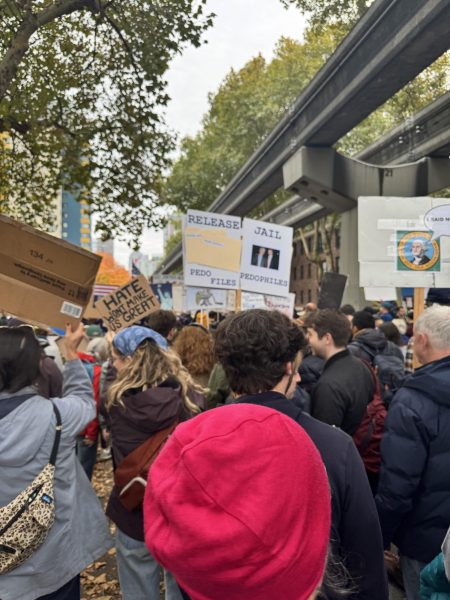
The protest had demonstrators who were high school students, senior citizens, and even families showing up together. This wide age range showed the movement’s unity and message of collective action.
“We don’t often talk about the greater good,” Chambers said. “Even if a policy doesn’t affect you personally, most of us agree on what the greater good is if we get down to the very basics. We may disagree on how to get there, but finding the greater good shows the essence of what No Kings was trying to support.”
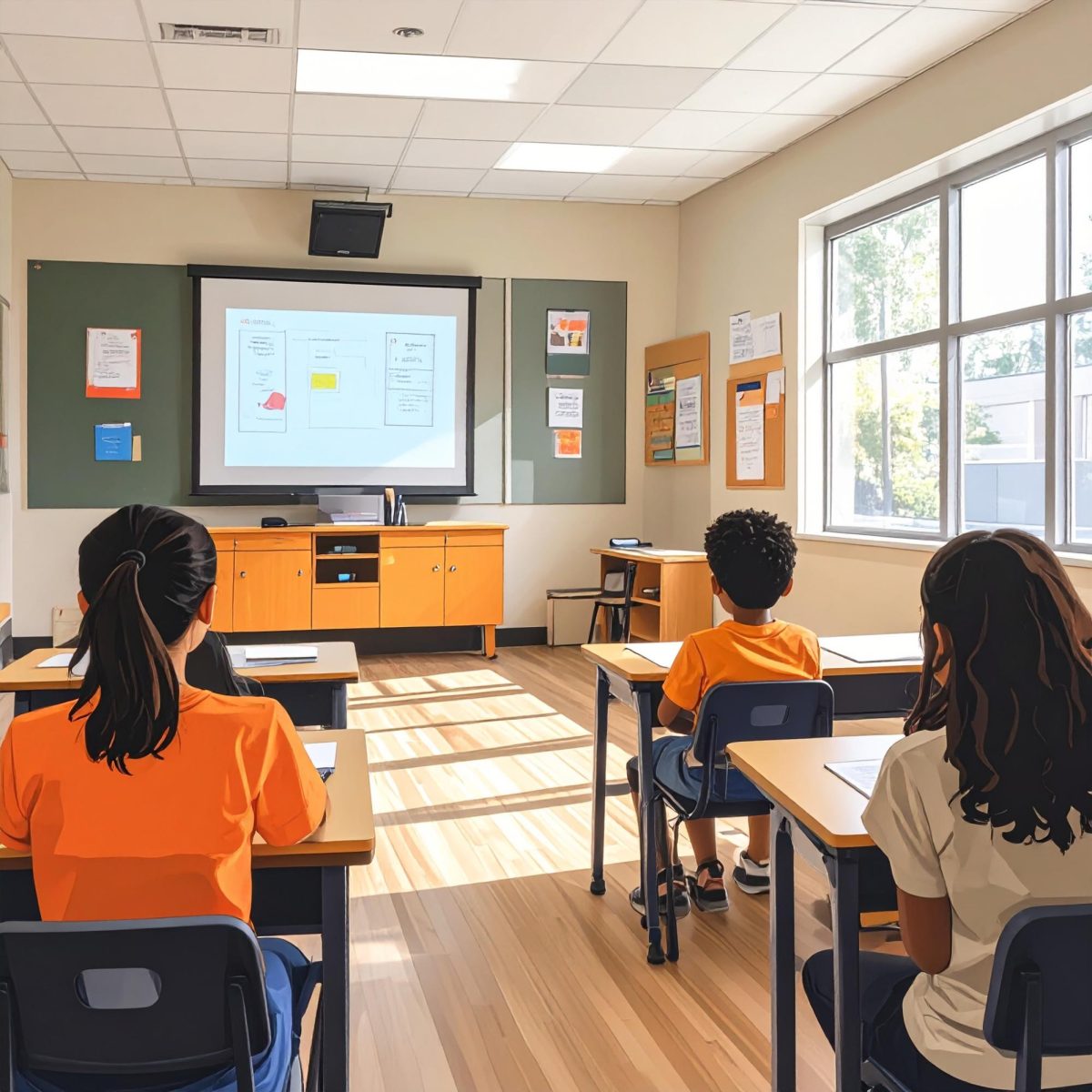
In schools, teachers are responding to political and social challenges by incorporating current events into the curriculum to help students understand contemporary issues in historical context. They use books like Night, assign weekly current events readings and logs, and have students rewrite history to connect lessons to issues that affect the world today.
“I want to incorporate more current events, but teachers have to come from this neutral perspective,” Riley said. “My goal isn’t to inflame anyone, but we need to alert our kids on what’s happening because it affects them right now and in their future. In a couple weeks, my freshman class is going to read A Tale of Two Cities which is about the French Revolution because how can you not make parallels with what’s going on with our government system today?”
Outside of the classroom, participating in protests gives students a firsthand sense of responsibility, showing that their voices can matter and that collective action can shape the future.
“It was uplifting to see people standing up for what they believe in,” Talbot said. “ Even though I have no say in what’s happening, I felt like I was actually doing something for my community for the first time. Protests can’t really change anything instantly, but it can help us realize our civic duty to make our generation of students better voters and leaders in the future.”